Construction in Hilly Area vs Flatland Area
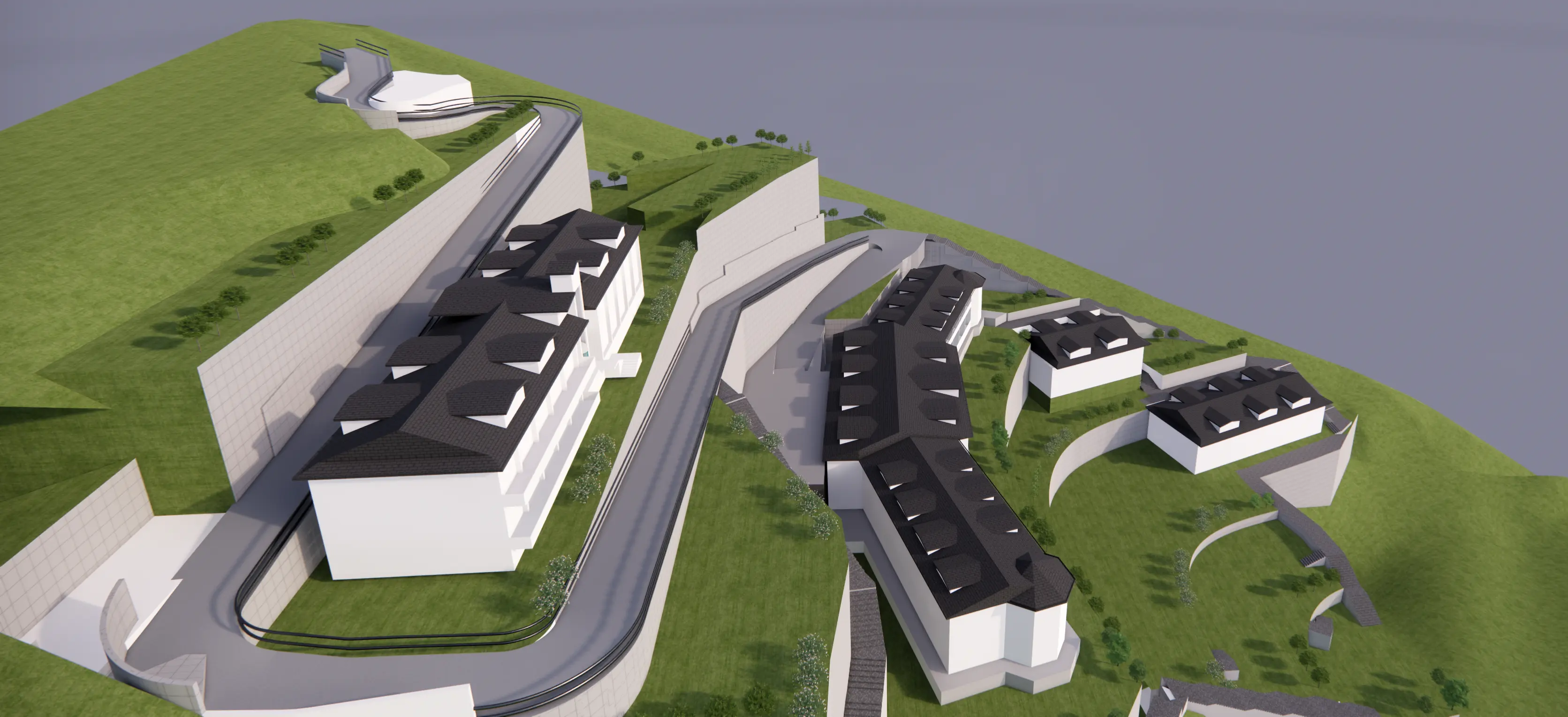
Construction in hills differs significantly from plains due to terrain, soil conditions, weather, and accessibility factors. The sloping and uneven terrain in hills creates foundation challenges requiring careful planning for structural stability. Soil in hills is generally less stable and more erosion-prone than plains soil, demanding different building techniques and materials. Hills experience more extreme weather — heavy rains, landslides, earthquakes — necessitating resistant designs. Remote accessibility makes material and equipment transportation difficult and costly.
India's land comprises 10.7% mountains, 18.6% hills, 27.7% plateaus, and 43% plains. Hilly construction requires professional planning and site selection considering slope, vegetation, climate heterogeneity, and land use patterns. Key challenges include frequent seismic tremors, soil erosion and landslide problems, suitable slope orientation, dense forests obstructing winter sunlight, building height limitations due to earthquake risk, high site development costs from cutting and filling, and construction material scarcity and transportation issues.
Site selection is critical — checking for landslide-vulnerable areas, slope and sequence of rock structures, existing subsurface water, and existing streams. Subsurface water can create cavities, increasing landslide probability. Landslides can rapidly mobilize soil, rock, and vegetation within seconds.
Platform planning should accommodate natural contours while minimizing excavation. Avoiding retaining walls reduces resource consumption. Building longitudinal axes should align parallel to original topography contours with uniform infill thickness.
Construction technology should adopt local materials and easy-to-process materials, such as wood, stone mud, bamboo, etc. These environmentally friendly options possess good weather resistance. Sustainable building development requires proper reforestation to offset timber harvesting.
Building planning in hilly regions demands proper construction techniques and skilled labor. Multiple factors affect design: topography, climate, orientation, traffic, water supply, natural drainage, and sidewalks.