Kath Kuni Architecture
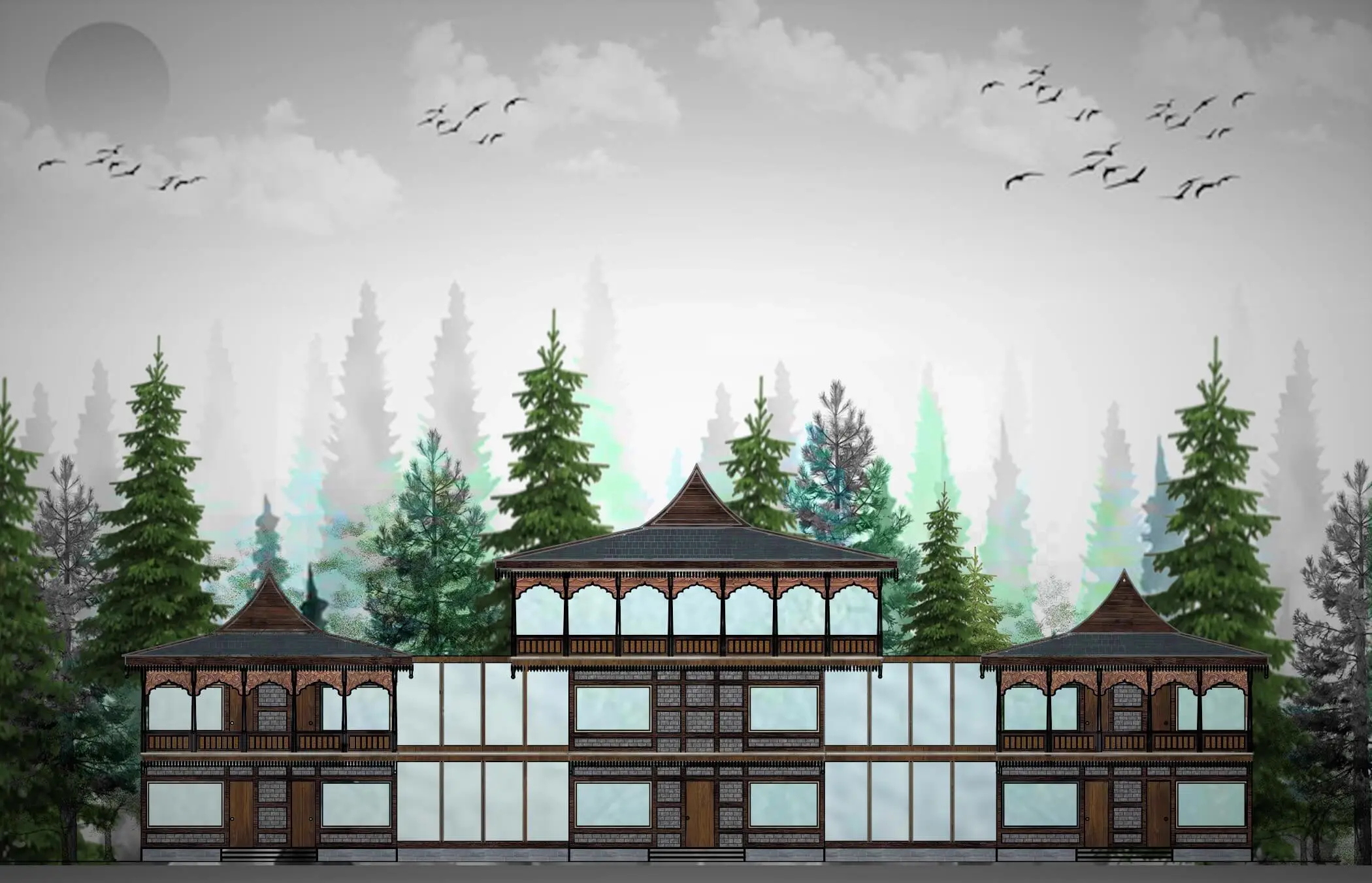
Vernacular architecture represents local or regional construction using traditional materials from specific areas. This building style deeply connects to its geographic context and cultural identity, making each region's vernacular unique.
In Shimla, Kath Kuni embodies the region's vernacular tradition. The term combines 'Kath' (wood) and 'Kuni' (from 'kona,' meaning corner) — referring to the distinctive wooden corners visible throughout these structures. Few examples survive today, though these centuries-old buildings showcase wood, stone, and mud construction.
Historically, residents and neighbors collaborated on construction, designing buildings according to local climate and terrain. Stone and wood were readily available, making them practical choices before modern transportation existed.
Kath Kuni structures appear across Shimla, Chamba, Kullu, and Manali. Unlike reinforced concrete buildings, these constructions rely entirely on horizontal beams. Stone provides structural stability while wood offers flexibility, reducing earthquake damage risk. Their superior tensile strength protects against seismic activity.
The architecture developed during extremely harsh winters when snow blanketed regions for months. Double exterior stone walls with thick wooden beams and interior mud coating provided protection against severe weather conditions.
These structures possess remarkable longevity. The Himalayan wood would last a thousand years in water. Naggar Castle, built five centuries ago, continues serving as a tourism facility. Hidimba Temple demonstrates another ancient example.
Dismantled Kath Kuni buildings allow material reuse — components can be repurposed elsewhere. However, urbanization threatens this tradition. Modern concrete alternatives are cheaper and more readily available than traditional materials.
Historic designs featured livestock on lower floors, warming upper levels through animal warmth. Contemporary requirements prevent this practice, yet modern adaptations remain viable. Bamboo and hempcrete offer sustainable alternatives for future construction while maintaining environmental benefits.