The Art of Integration of Light and Shade in Modern Design
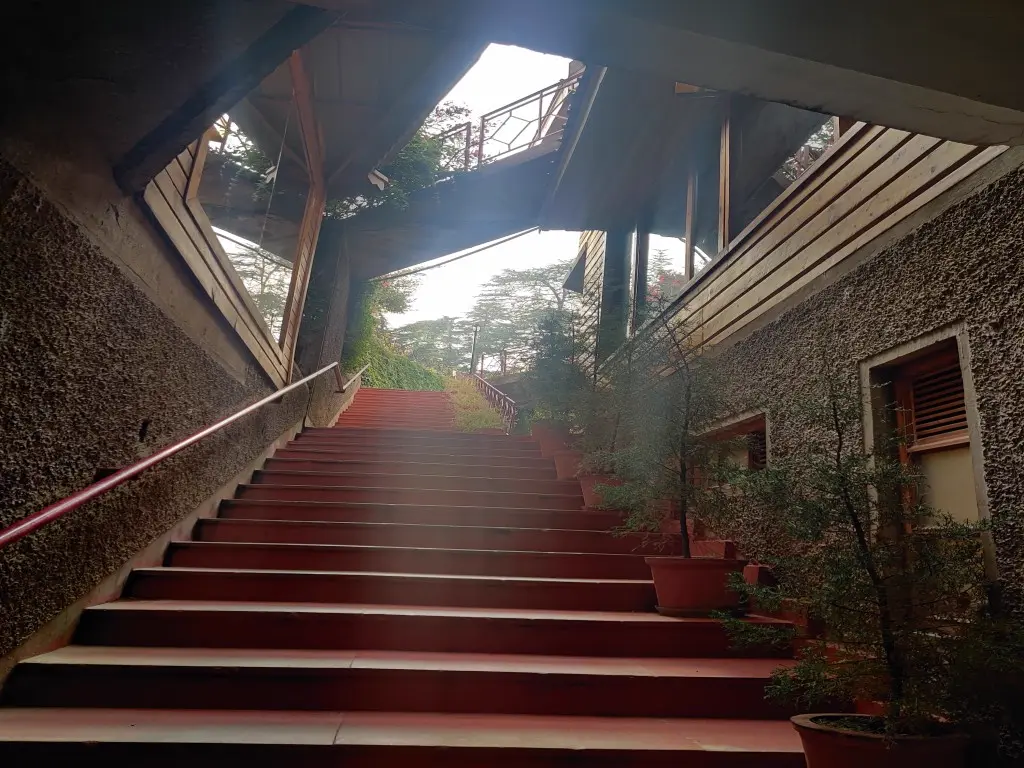
As society advances, people's understanding of aesthetics in modern art and design has become more sophisticated, with artistic approaches becoming increasingly diverse. Art now focuses on expressing different emotions and sensations, making this central to aesthetic appreciation. Light and shadow function as performance elements in modern design, representing the organic integration of static and dynamic.
While color emerges from the interplay of light and shadow, truly effective designs leverage inexpensive techniques of light reflection to emphasize design elements. Form and space cannot be separated from light's influence.
Natural light has inspired countless architectural achievements, yet designers often overlook the shadowed areas created within spaces. Contemporary design employs shadows and dappled patterns through natural light, using shadow intensity and direction to establish visual interest and atmosphere.
Effective lighting schemes require integration during initial design phases. Early inclusion allows lighting to enhance spatial perception, support activities, and emphasize key areas. Light reflection enriches artistic language while strengthening aesthetic qualities and expressive impact.
Architecture unfolds as a journey rather than a single moment. A complete architectural experience incorporates color, texture, material, detail, and light and shadow. These elements create dynamism and meaning beyond functionality, with light significantly shaping spatial atmosphere.